Glenpool, Broken Arrow
Opener Repair for Glenpool's Mid-90s Garage Doors
Glenpool homes mostly went up around 1995, right after photo-eye safety sensors became standard. We fix those openers and the newer ones that followed, from our Broken Arrow shop.
Getting It Booked In
We work out of Broken Arrow, about 14 miles from Glenpool, so when you call we're scheduling a drive out, not a walk from around the corner.
Questions before loading truck
That's worth knowing up front because it means we ask a few questions before we load the truck: what the opener does when you hit the button, whether the lights blink, whether it's a chain or belt unit.
Build year hints at parts
Most Glenpool houses were built around 1995, and that one fact tells us a lot about what we're likely dealing with before we even see the door. Have the brand and any model sticker ready if you can find it - it's usually on the housing near the light bulb.
Bring right parts first trip
We'd rather bring the right capacitor or logic board on the first trip than make you wait on a second one. Tell us too if the door moves fine on manual release but the opener won't engage; that changes what we pack.
Where This Job Goes Sideways
The mistake we see most with 1990s-era openers is someone replacing the whole unit because the remote stopped working, when the actual fault is a dead coin-cell in the remote or a misaligned photo-eye sensor.
Photo-eye rule shapes stock
Houses built around 1995 in Glenpool came standard with photo-eye safety sensors - that requirement became federal law in 1993, so this town's housing stock is right on the early side of that rule.
Sensors knocked out of line
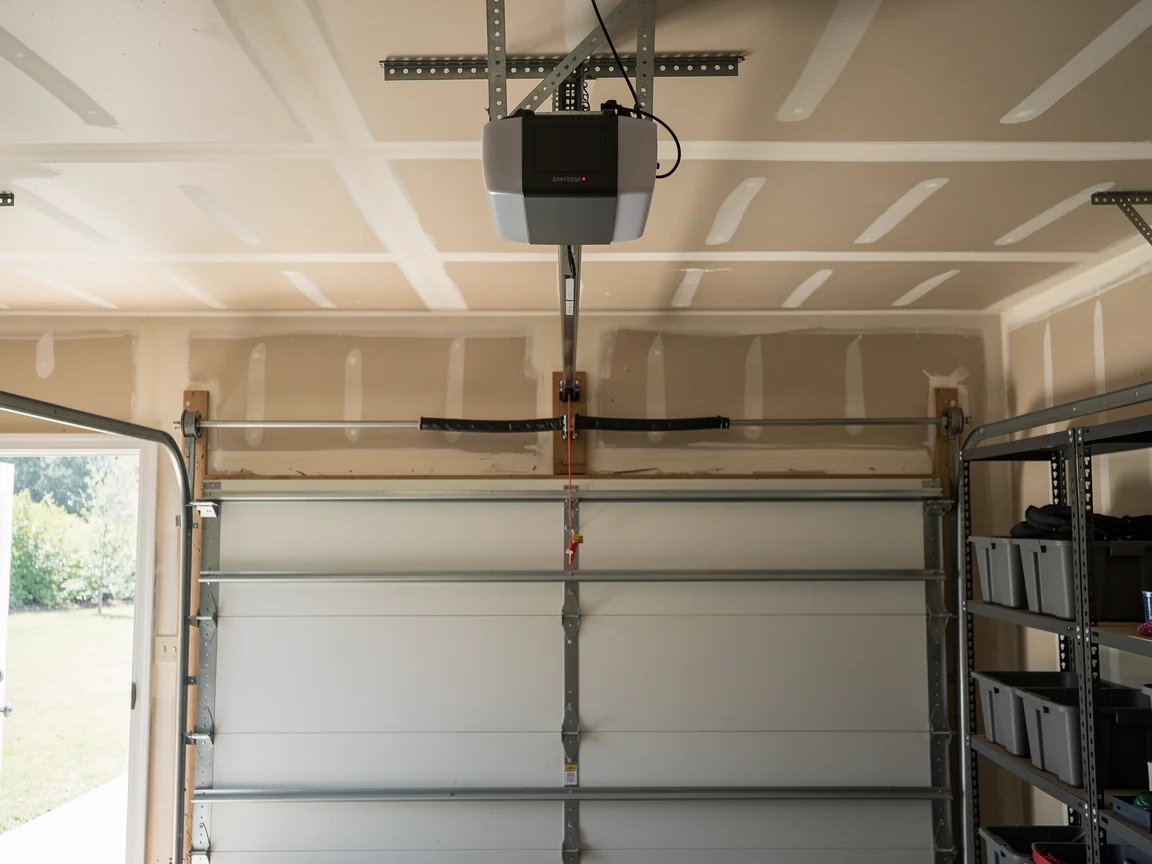
Those sensors sit low on the track rails and get knocked out of alignment by a bumped bike, a stored ladder, or just years of vibration. The door won't close, the opener blinks, and homeowners assume the motor died.
Oil won't fix gear noise
It didn't. We also see people chase a noisy opener by oiling the motor housing when the actual noise is a worn chain or a stripped gear inside - oil doesn't fix either.
Can You Do This Yourself
Realigning a photo-eye sensor is a job most homeowners can do with a level and ten minutes - loosen the wing nut, line up the lenses so both LEDs go solid, snug it back down. Swapping a remote battery is simpler still. Where we'd stop you: anything inside the opener housing, especially the circuit board or capacitor, and anything involving the high-tension spring system the opener pulls against. We won't talk you through wiring a new logic board over the phone, and we're honest that some 1990s opener models are discontinued enough that a repair part doesn't exist anymore - at that point replacement is the real fix, not a patch.
How We Fix It
On a typical call for a Glenpool opener built in that mid-90s window, we start at the sensors and the wall control before we open the housing, because those two spots cause more dead-opener calls than the motor itself.
Voltage testing before swaps
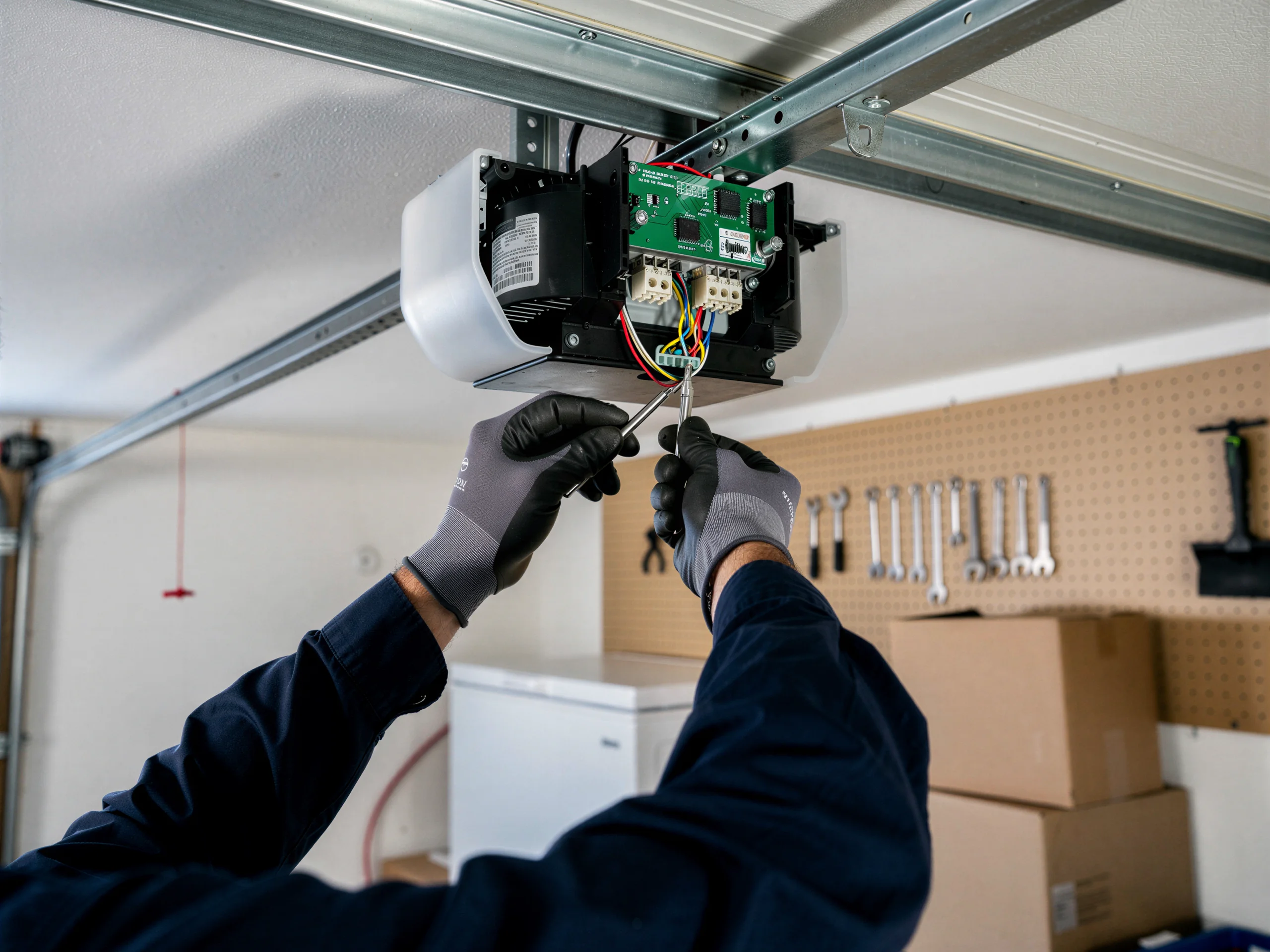
If the fault's internal - a burned-out capacitor, a stripped drive gear, a failed logic board - we diagnose which one by testing voltage at the terminals rather than swapping parts on guesswork.
Chain stretch fooling limits
Chain-drive units from this era are common here and the chains stretch over time; a loose chain throws the travel limits off and makes the door think it's hit something when it hasn't.
Final safety reversal check
We re-tension or replace as needed, reset the limits, and test the reversal safety before we call the job done, since that's the one check that actually matters for anyone in the house.
Why It Happens Here
Glenpool's housing mostly dates to around 1995, which puts it squarely in the stretch when garage door openers were still mechanical chain or screw drives with basic circuit boards - reliable units, but ones now thirty years into service lives that were rated for maybe fifteen. With 4,962 households in this part of the service area and a median income of $76,726, we see a consistent pattern: original builder-grade openers finally giving out, one part at a time, rather than failing all at once. It's not a climate story so much as an age story - these boards and gears are simply at the end of what they were built to do, and the fix is usually a specific failed component, not a mystery.
How Long You Are Without the Door
Because we're driving in from Broken Arrow, we won't pretend we can be at your Glenpool address in twenty minutes. Once we're on site, most opener repairs - sensor realignment, wall control swap, gear or capacitor replacement - are a same-visit fix, usually under two hours of hands-on work. The exception is a logic board that needs to be sourced for an older or discontinued model; if yours falls into that category we'll tell you straight rather than stall you with a vague timeline, and we'll talk through whether replacement makes more sense than waiting on a part.
Questions
Common questions
Why did my opener suddenly stop closing the door?
On a house built around the mid-90s, like most in Glenpool, this is almost always the photo-eye sensor - either knocked out of alignment or blocked by something stored nearby. Check that both sensor lenses, low on the track rails, show a steady light with nothing between them. If they're aligned and the door still won't close, the fault is likely inside the opener itself.
Is my opener too old to repair?
Not automatically. Many openers from the mid-1990s still run fine on original motors and gears, with the chain or a worn capacitor being the usual failure point. The real limit is parts availability - if a logic board for your specific model is discontinued, replacement becomes the practical answer rather than a long wait.
Do you have a branch in Glenpool?
No. We run out of Broken Arrow, about 14 miles away, and schedule Glenpool calls as a dispatched visit rather than a walk-up stop. We ask a few questions on the phone first so we bring the right parts and don't need a second trip.
Can I fix a stripped opener gear myself?
You can buy the gear kit, but it means opening the motor housing and handling the drive assembly correctly, which isn't a ten-minute job. We'd rather you try the photo-eye alignment and remote battery first - if the fault's internal to the motor, that's where we'd take over.
Explore more
More Services in Glenpool
Emergency Garage Door
Mid-90s Glenpool doors fail at the spring and the opener gear, not the track. Learn more →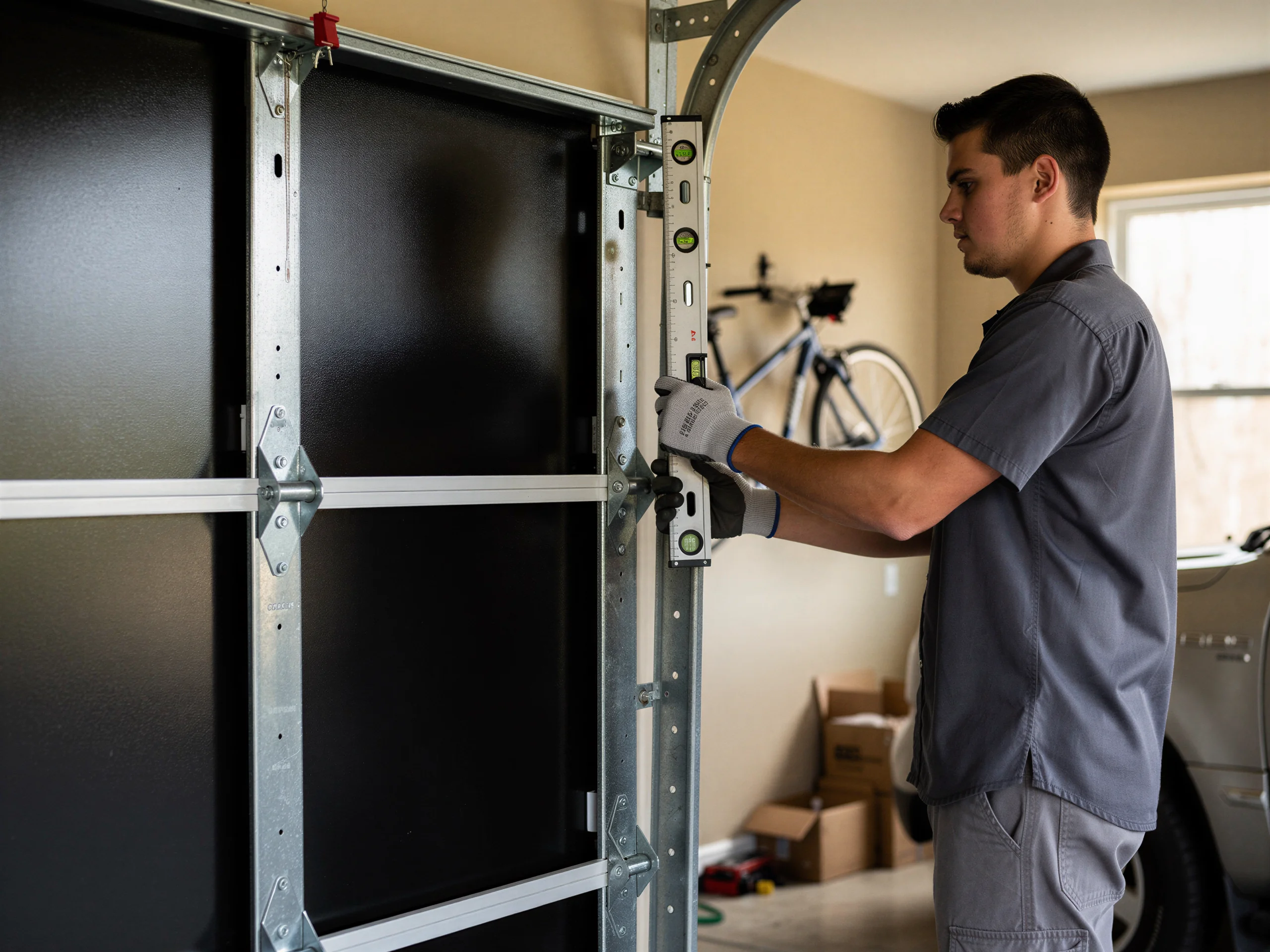
Garage Door Repair
Glenpool homes mostly went up in the mid-90s, 14 miles from our Broken Arrow shop. Learn more →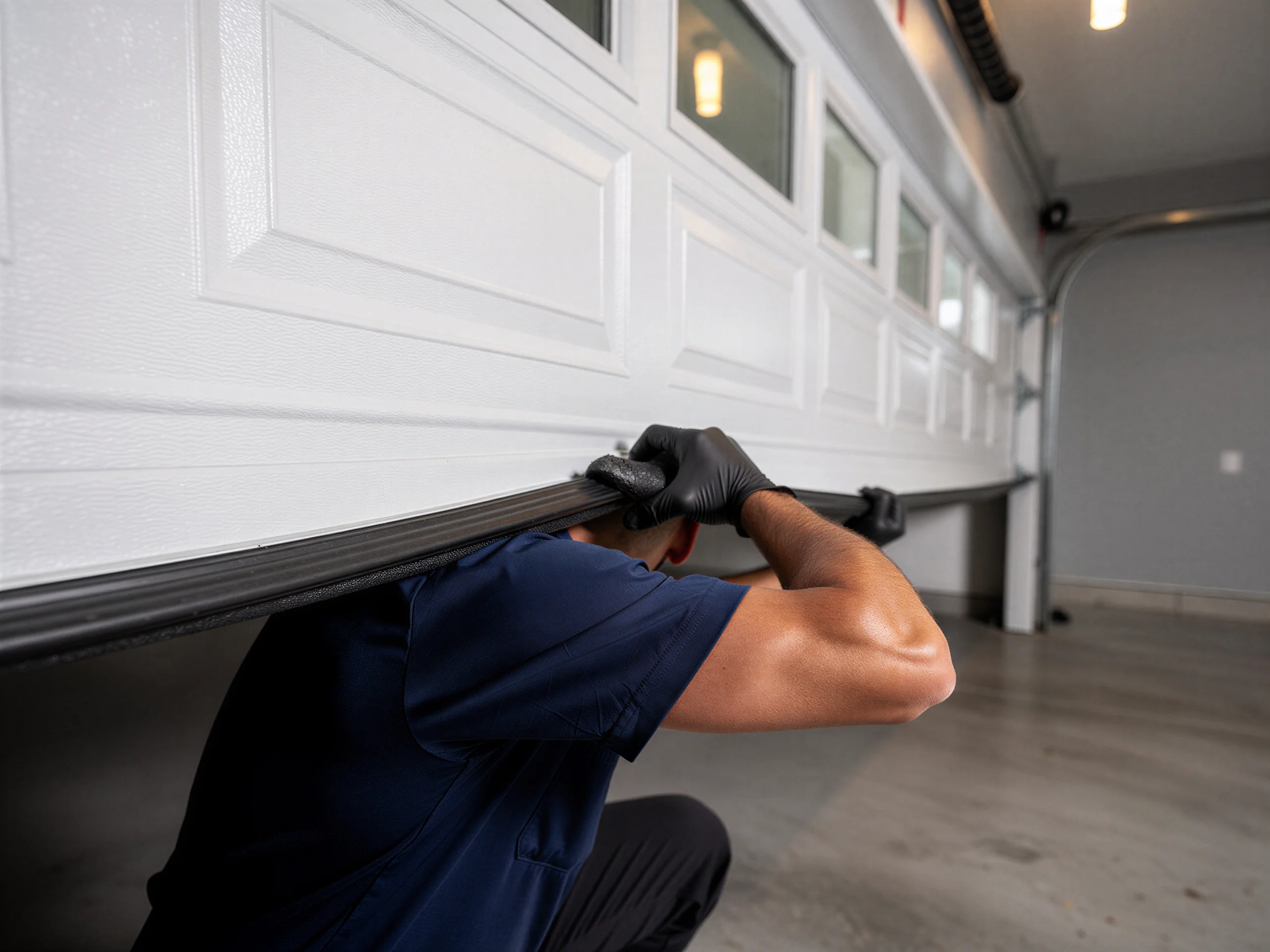
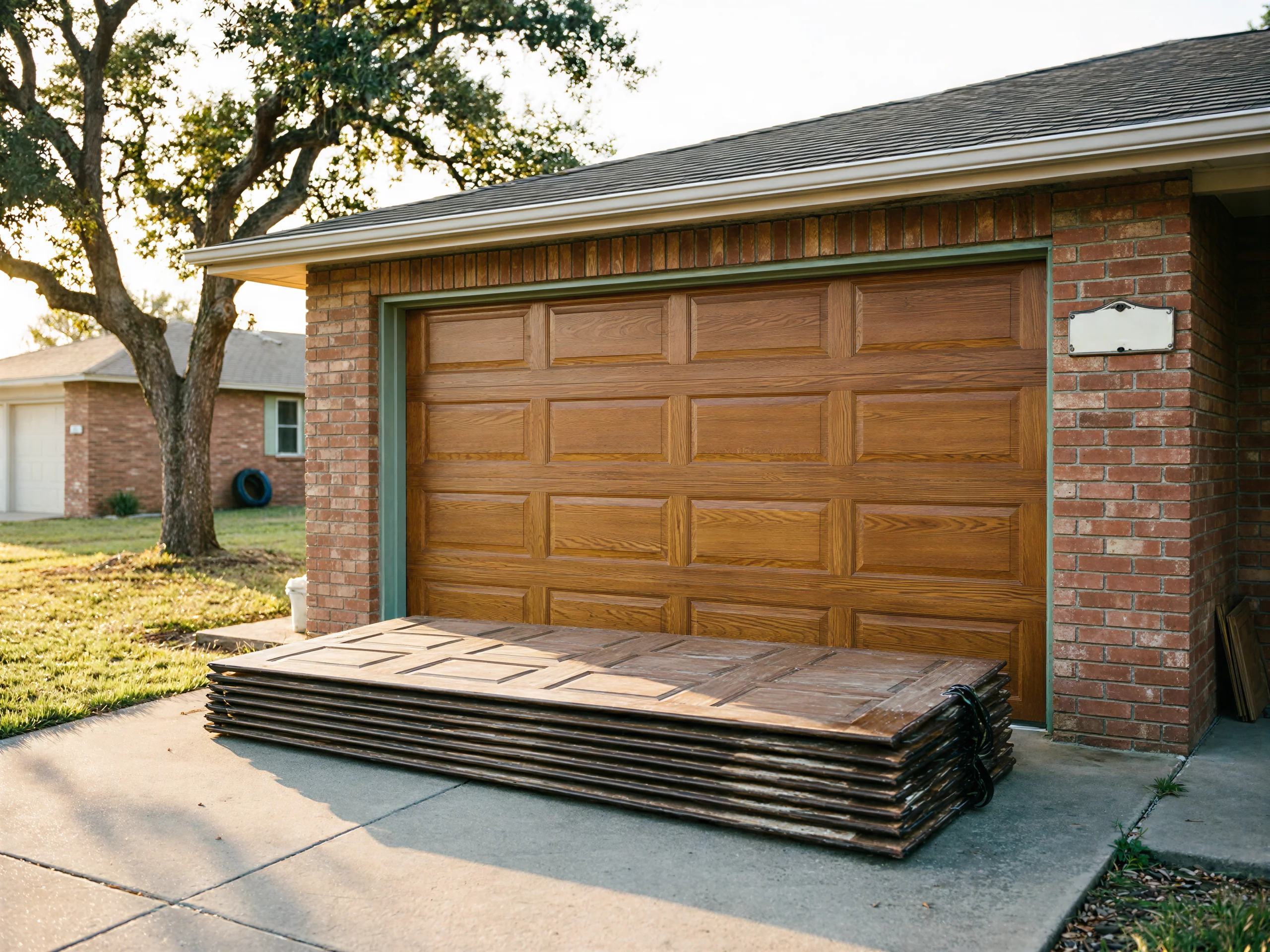
New Door Installation
Glenpool homes run newer than most of the Broken Arrow service area - median build year 1995. Learn more →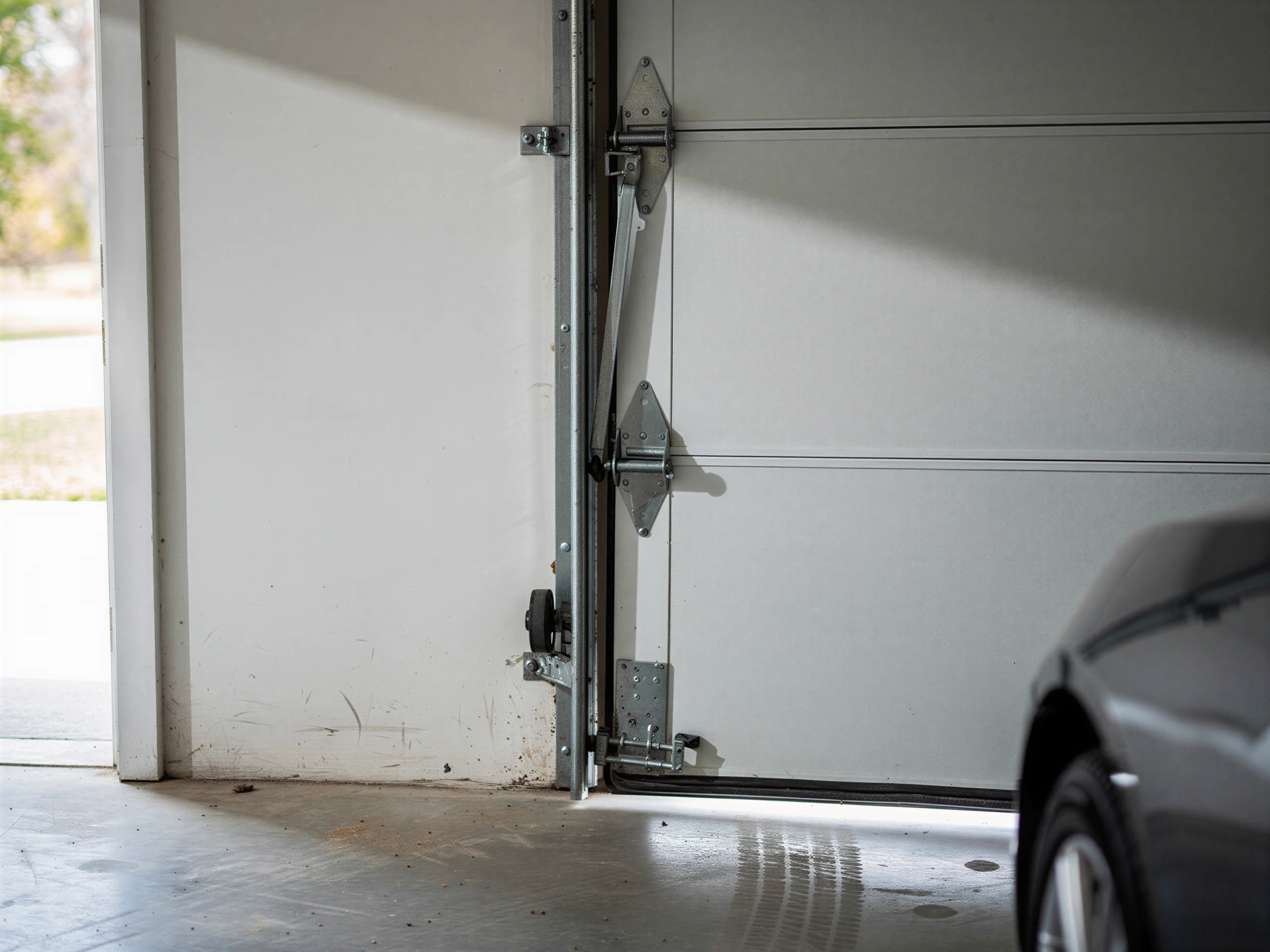
Off Track Repair
Glenpool homes built mostly in the mid-1990s carry original track hardware. Learn more →
Opener Installation
Garage door opener installs in Glenpool, OK, where 1990s houses still run original chain-drive motors. Learn more →
Spring Repair
Spring repair for Glenpool homes built mostly in the 1990s, serviced from Broken Arrow 14 miles out. Learn more →Ready when you are
Need a garage door sorted in Broken Arrow?
Broken Arrow Garage Door Pros repairs and installs garage doors, springs and openers in Broken Arrow, OK and the surrounding area.