
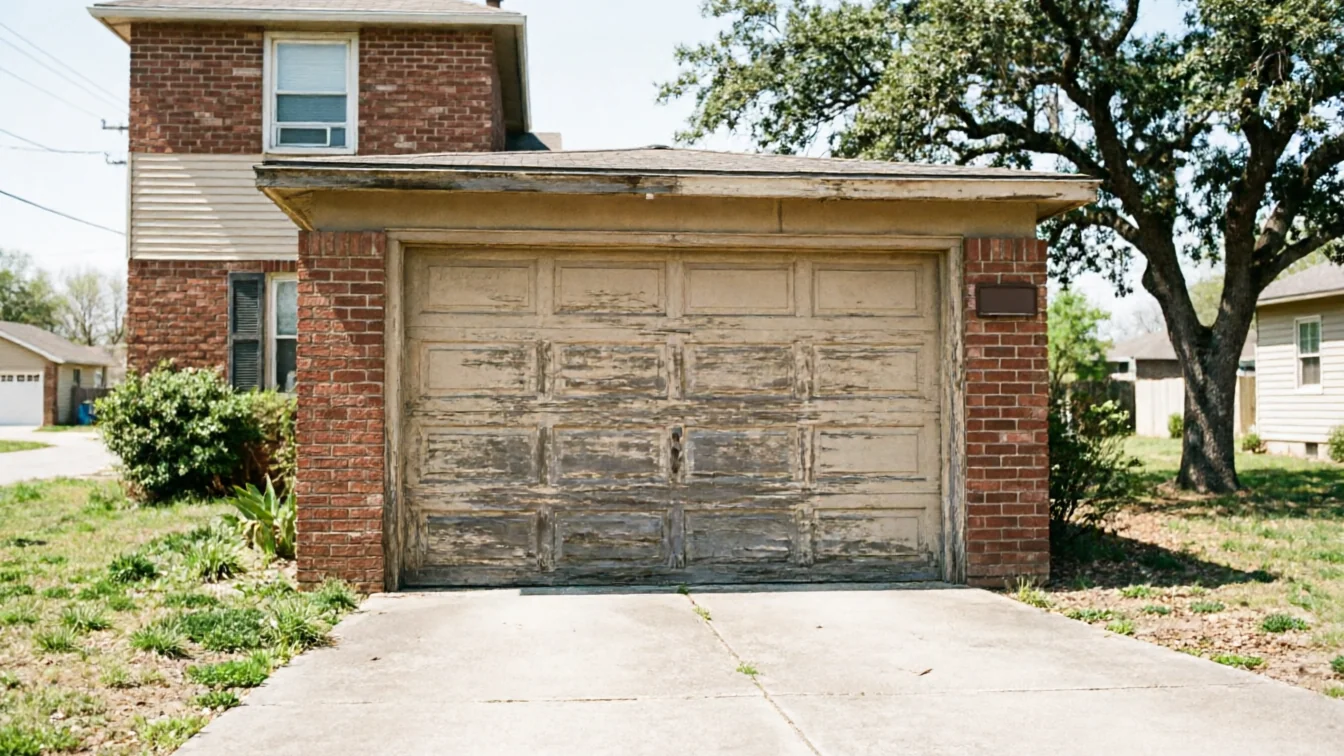
What Makes an Older Garage Door in Broken Arrow Worth Fixing
Broken Arrow houses mostly date from 1974 to 2005, median 1993.
Read moreBlogBroken Arrow, OK · 4 min read
Most Broken Arrow houses went up between 1974 and 2005, years before today's tighter insulation standards - here's what that means for your garage door in a cold winter.
Local detail
Broken Arrow's housing stock runs mostly 1974 to 2005, with the median build landing around 1993, and that pattern holds across the fourteen named areas that make up the service territory, from the Broken Arrow Hills section two miles north on down. That window matters because garage door insulation standards tightened up after a lot of this stock was already framed and sided. A house built in 1991 got whatever single-layer steel door was standard that year, and in most cases nobody has touched it since.
Broken Arrow sits in a cold moderate climate band. That's not Minnesota cold, but it's cold enough that an uninsulated door turns your garage into the coldest room in the house for a few months a year, and if the garage shares a wall with a bedroom or laundry room, you feel it on the other side of that wall too. Combine the build era with the climate and you get a specific, common situation: a thirty-year-old hollow steel door doing a job it was never built to do.
This isn't true everywhere. Newer subdivisions built after insulated doors became standard don't have this problem. It's the mid-80s through mid-90s stock where it shows up most.
The area
I'm not going to quote you a number here, because it depends on whether you're weatherstripping an existing door, retrofitting insulation panels into the door you have, or replacing the whole unit - and that decision should be made in person, not off a blog post. What I can tell you is how to think about it.
A retrofit kit is the cheapest option and it helps, but it doesn't fix a warped or sagging panel, and it won't do much for a door whose seals are shot. Full replacement with a factory-insulated door costs more up front but solves the problem completely and usually brings the R-value up to something that actually matters in a cold moderate climate.
Given that median household income across the service area sits at $73,800, most owners I talk to want the retrofit priced first, then decide if it's worth jumping straight to replacement. That's a reasonable way to approach it. The honest answer is that if your door is original to a house built in the 80s or early 90s, the hardware is often as tired as the insulation, and fixing one without looking at the other is a half-measure.
What we find
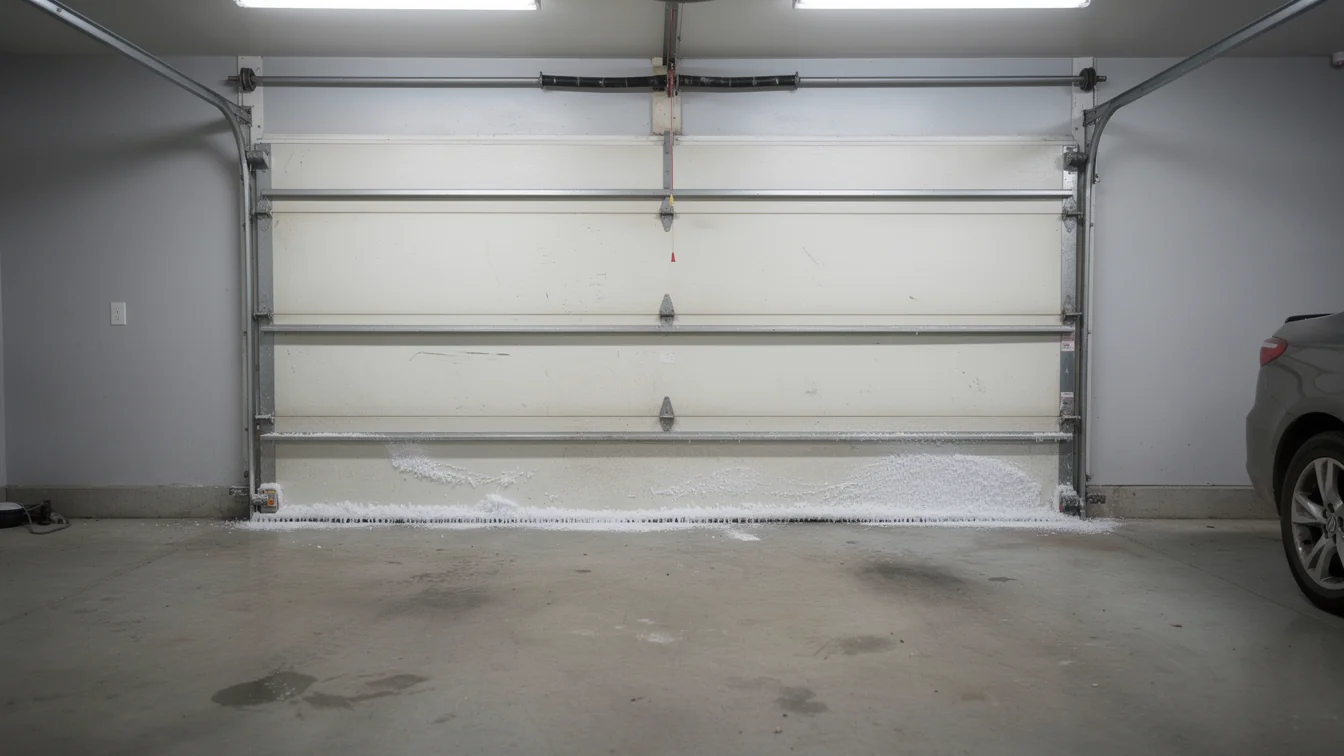
The doors from this build era are almost always single-layer steel, sometimes with a thin vinyl backing that does nothing for R-value. No foam core, no thermal break at the frame. Steel conducts cold straight through, so the inside face of the door gets as cold as the outside air, and that cold radiates into the garage and whatever's attached to it.
Add thirty-plus years of weatherstripping that's hardened, cracked, or pulled away from the track, and you've got gaps on top of a door that was never insulated to begin with. In a cold moderate climate that's two separate problems stacking on each other: no insulation in the panel, and no seal around the edges.
This shows up as a cold floor in the garage, condensation on the inside of the door in winter, and sometimes frost on exposed hardware. None of that is dangerous. It's just the predictable result of 1990s-era construction meeting Oklahoma winters, decade after decade, with nothing updated in between.
How we work
Start with the door's label or spec sheet if you still have it - it'll tell you whether there's any insulation at all, and what the R-value is if so. If there's no label, assume it's a single steel skin unless you can see foam when you look at the edge of a panel.
Next, run your hand along the weatherstripping at the bottom and sides. If it's brittle, cracked, or doesn't make solid contact with the frame when the door's closed, that's an easy, cheap first fix regardless of what you decide about the panel itself.
Check the garage for daylight around the door frame with the lights off and the door shut - gaps you can see light through are gaps letting cold air through. Last, if your garage shares a wall with living space, feel that wall on a cold morning. A noticeably cold wall next to an uninsulated door is a strong sign the door is the weak point, not the wall insulation itself.
Questions
Not necessarily. Insulated doors existed in the 90s but weren't universal, especially on standard-grade builds. Across Broken Arrow's housing stock, which runs mostly 1974 to 2005, a lot of doors from that window are single-layer steel with no foam core. Check the door's label or look at a panel edge to confirm rather than guessing by the house's age.
Sometimes. A retrofit kit helps if the panels are straight, the track is solid, and the door's hardware is otherwise sound. If the door is sagging, the seals are shot, or it's original to a house built in the 80s, you're often better off putting that money toward a new insulated door instead of patching an old one.
In a cold moderate climate like Broken Arrow's, an uninsulated steel garage door conducts outside temperature straight through to the inside face. If your home dates to the common 1974-2005 build window and the door hasn't been replaced, that's almost always the reason the garage runs colder than every other room.
Recommendation
More garage door guides for Broken Arrow homeowners.
Broken Arrow houses mostly date from 1974 to 2005, median 1993.
Read more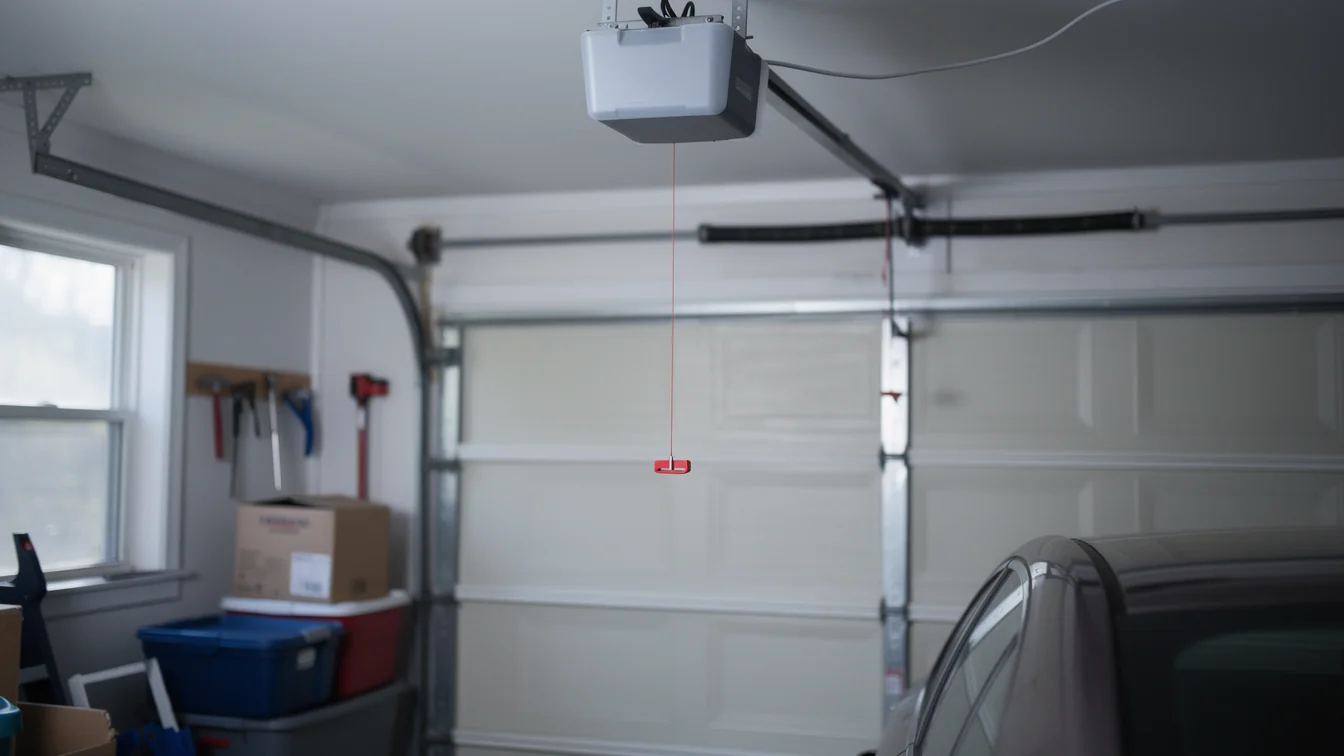
Broken Arrow's 1980s-90s opener stock wasn't built for winter power cuts.
Read more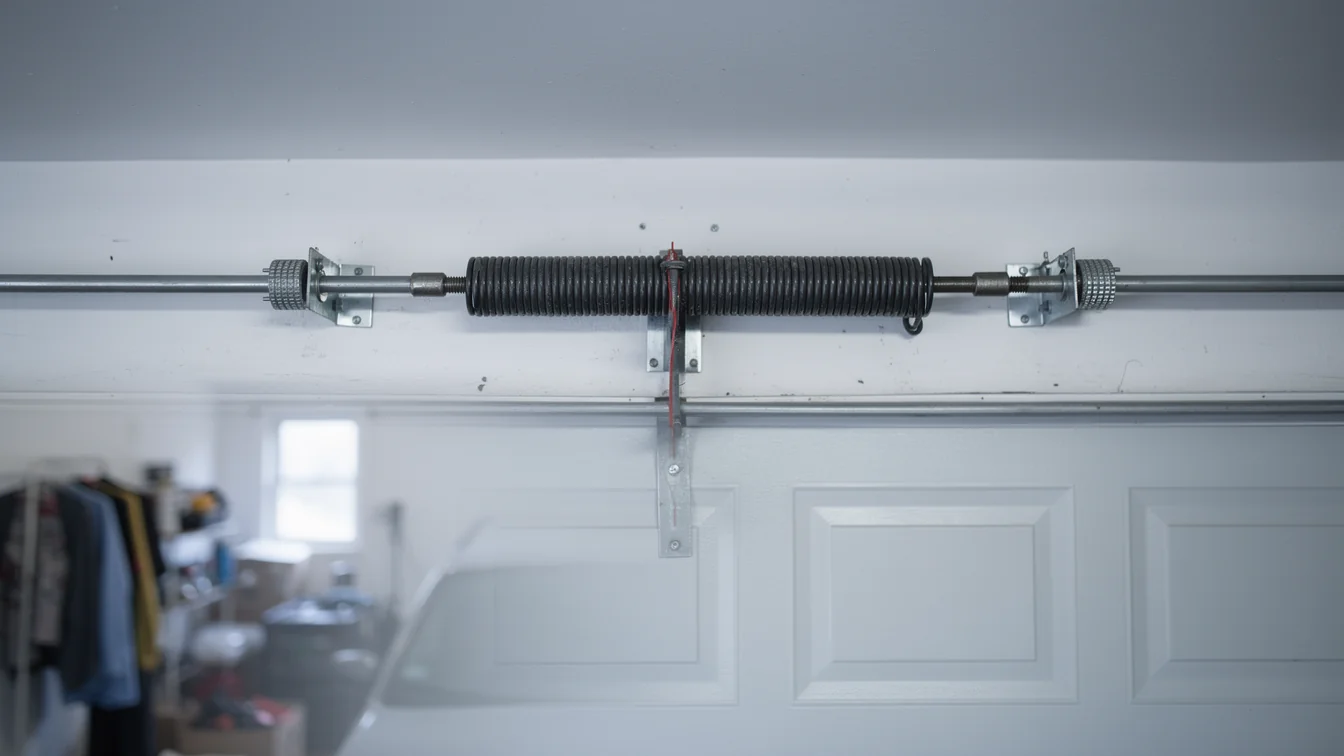
Why Broken Arrow's 1980s-90s housing stock and cold snaps combine to snap garage door springs, what the repair actually involves, and what to check before you call.
Read moreReady when you are
Broken Arrow Garage Door Pros repairs and installs garage doors, springs and openers in Broken Arrow, OK and the surrounding area.