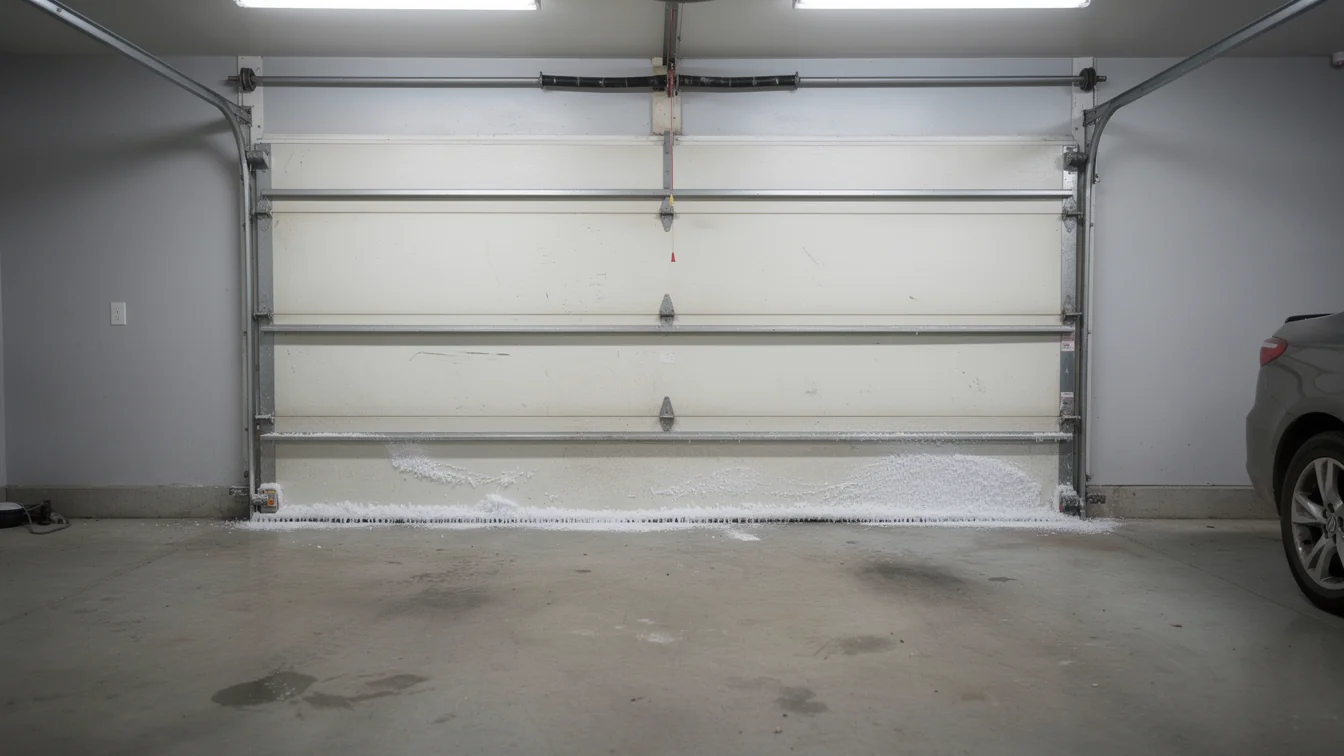
Why So Many Broken Arrow Garage Doors Leak Heat
Most Broken Arrow houses went up between 1974 and 2005, years before today's tighter insulation standards - here's what that means for your garage door in a cold winter.
Read moreBlogBroken Arrow, OK · 4 min read
Broken Arrow houses mostly date from 1974 to 2005, median 1993. Here's how that build era and our cold-moderate climate decide if your door is worth fixing or replacing.
Local detail
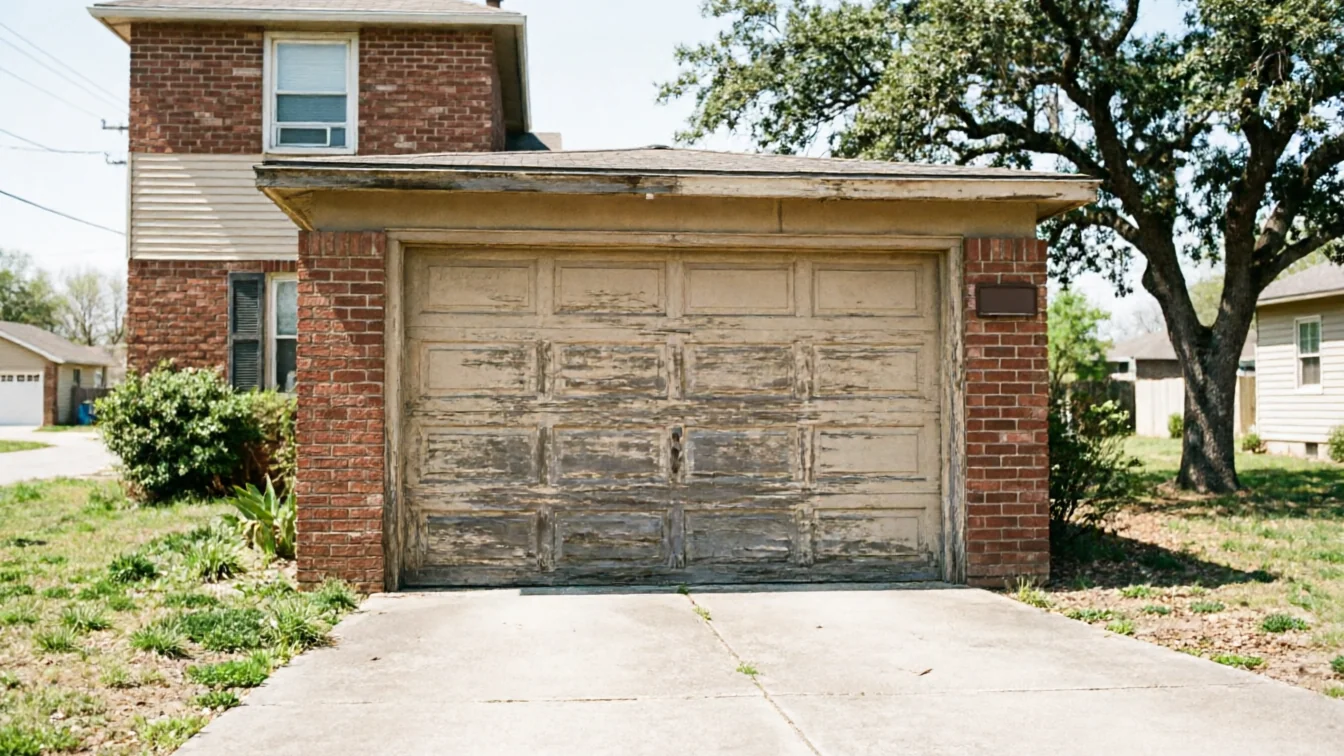
Most garage doors in Broken Arrow went up between 1974 and 2005, with the typical build year sitting around 1993. That means a huge share of the doors we get called on are somewhere between 20 and 50 years old, original or close to it. Across the service area's 14 named subdivisions, the bulk of that stock is 1980s and 90s construction, so the hardware, spring wind, and track gauge tend to follow a narrow set of patterns rather than the wide mix you'd see in a mixed-era city.
Broken Arrow sits in a cold-moderate climate band. That's not Minnesota-cold, but it's enough swing between summer heat and winter cold to work steel panels and torsion springs harder than a mild coastal climate would. Steel expands and contracts, lubricant thickens and thins, and a spring that's been doing that cycle for three decades is closer to the end of its wind count than its rust might suggest. A door that looks fine from the driveway can still be a week from a snapped spring.
The area
We don't have a flat number to hand you here, because what a repair costs depends on what's actually broken and whether the parts for a door from the 1980s or 90s are still a stock item or something we have to special-order. What we can tell you is how the decision usually breaks down in houses of this era: springs, rollers, and cables are almost always worth replacing on their own, since the door panel and track underneath them are often still sound steel. Where it tips toward replacement is the panel itself - rust-through on a bottom section, or a steel skin that's delaminated from the foam core after enough winters of condensation.
With a median household income of $73,800 across roughly 45,186 households in this area, a lot of owners we talk to are weighing a few hundred dollars of hardware work against a few thousand for a full door. That's a real trade-off, and it's one we'll walk through honestly rather than push toward the bigger job by default. If the opener and track are solid and it's just the spring and rollers, fixing it is almost always the better use of the money.
What we find
On a door built when these neighborhoods went up, the failure points are predictable. Torsion springs rated for roughly 10,000 cycles start showing it after a decade or two of two-cars-a-day use, and a house from the early 90s is well past that. Rollers - especially the original nylon ones - wear oval and start binding in the track, which you feel as a jerky, uneven lift rather than a smooth pull. Cables fray at the drum end first, usually invisible until one strand lets go.
The other thing going on, quietly, is the opener. Many of these houses never swapped their original opener unit, and a motor from that era doesn't have the force-sensing safety features that current units carry. That's not a dramatic failure, it's a slow one - the opener still works, but it's not responding the way a newer unit would if something's in the door's path.
In a neighborhood like Broken Arrow Hills, just north of the main service area, the housing stock matches that same 1974-2005 window, so we see the same pattern of original springs and original openers reaching the end of their working life around the same calendar years.
How we work
Before you call anyone, look at a few things yourself. Check the springs above the door - if you see a visible gap where a coil has separated, stop using the door and don't try to open it manually. Check the rollers at the top corners of each panel; if they're worn down to a smaller diameter than the ones lower on the track, that uneven wear is normal for a door this age and usually fixable without touching the springs.
Listen for the motor straining or the door reversing partway up - that's often the opener's force settings drifting out of range rather than anything wrong with the door itself. And look at the bottom panel from outside after a rain: if the steel skin is bubbling or the foam core shows through a seam, that's water getting in over enough winters, and that's panel damage, not hardware. One honest limit here: we can tell you a lot from a description over the phone, but spring tension, cable wear, and track alignment are things we need to see in person before we'll say for certain whether it's a repair or a replacement.
Questions
Yes. Most houses in this area went up between 1974 and 2005, median around 1993, so original torsion springs and rollers that age aren't unusual. It doesn't mean they're due for failure tomorrow, but it does mean they're well past the cycle count most springs are rated for, so a check before one snaps is worth the call.
It's a cold-moderate climate band here, with real seasonal swings rather than mild year-round weather. That temperature cycling works steel panels and spring coils harder over the decades than a milder climate would, which is part of why doors from the 1980s and 90s building boom here are reaching end-of-life hardware issues around the same time.
If the springs, cables, rollers, or opener are the problem but the panel and track are sound steel, repair is almost always the better value. If the bottom panel shows rust-through or the steel skin has separated from the foam core, that's structural and patching it won't hold. We'd rather tell you that in person than guess over the phone.
Recommendation
More garage door guides for Broken Arrow homeowners.
Most Broken Arrow houses went up between 1974 and 2005, years before today's tighter insulation standards - here's what that means for your garage door in a cold winter.
Read more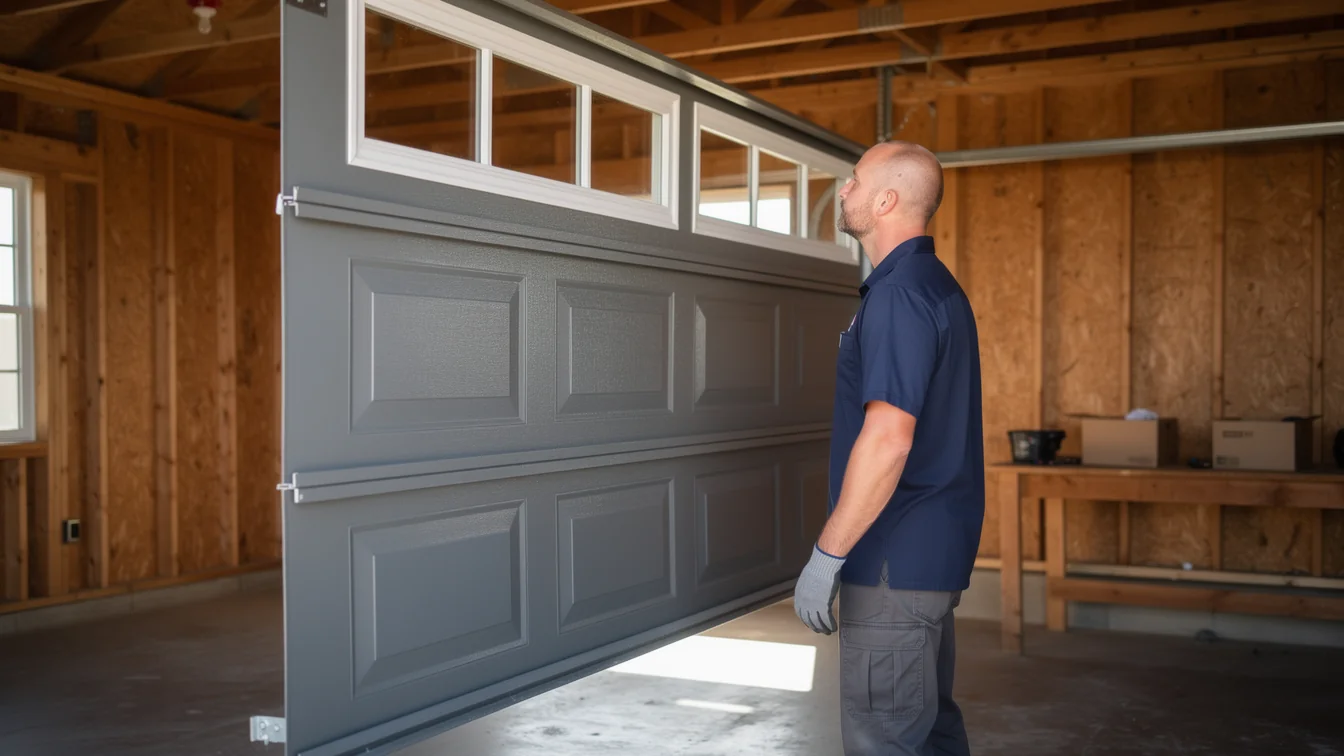
Broken Arrow homes built mostly 1974-2005 use specific opener and spring hardware.
Read more
Broken Arrow's 1980s-90s opener stock wasn't built for winter power cuts.
Read moreReady when you are
Broken Arrow Garage Door Pros repairs and installs garage doors, springs and openers in Broken Arrow, OK and the surrounding area.