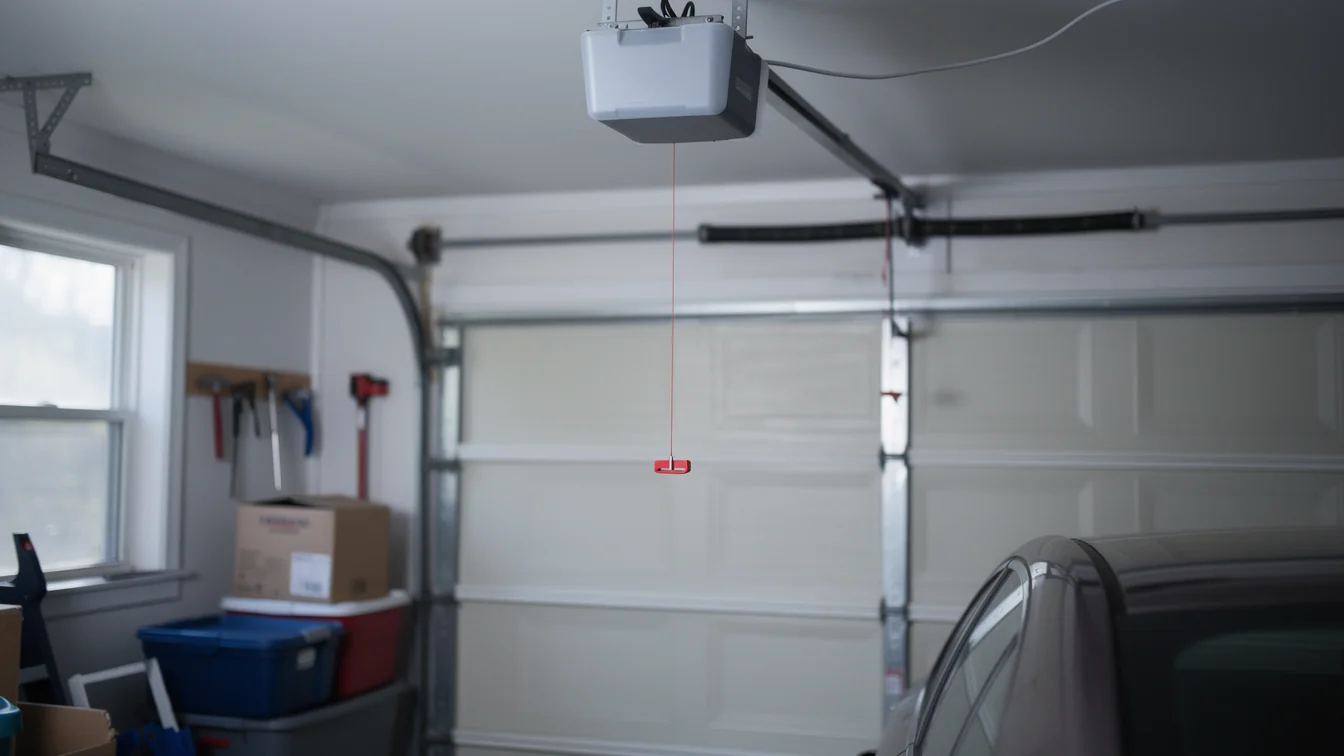
When the Power Goes Out, What Your Broken Arrow Opener Does Next
Broken Arrow's 1980s-90s opener stock wasn't built for winter power cuts.
Read moreBlogBroken Arrow, OK · 4 min read
Broken Arrow homes built mostly 1974-2005 use specific opener and spring hardware. Here's what your door's noise tells you about what's wearing out.
Local detail
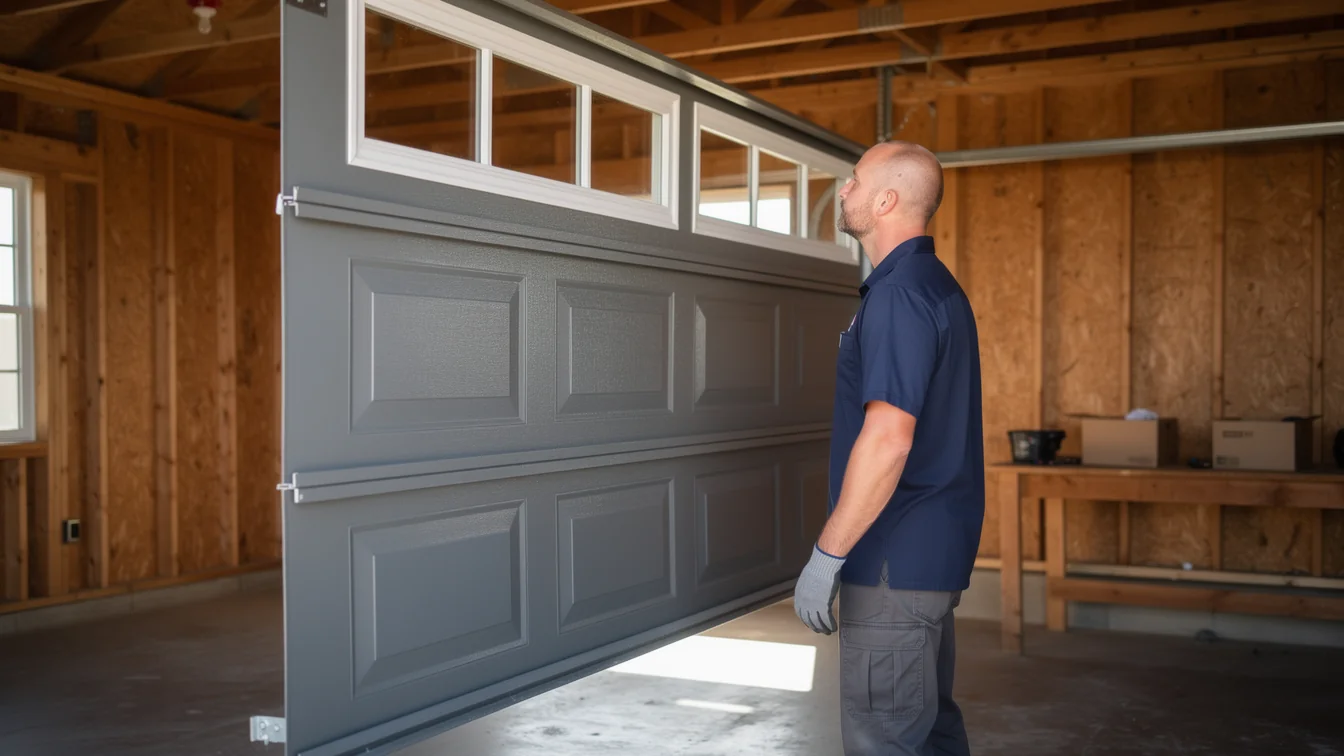
Most of the housing stock around Broken Arrow went up between 1974 and 2005, with the median build year sitting at 1993. That matters for noise because it tells you what's inside the wall of your garage before you even open it. A house from the early 90s almost always came with a chain-drive opener and a standard torsion spring setup rated for the door weight of that era, not the heavier insulated steel doors a lot of owners have swapped in since. The hardware ages at a predictable rate because the cold-moderate climate here doesn't baby it. Winter nights get cold enough to stiffen grease in bearings and tracks, and that stiffness is often the first thing you hear - a dry squeal on the first open of the morning that quiets down once things warm up. Across the 14 named areas that make up this service footprint, the pattern repeats: 1980s-90s construction, original or first-replacement hardware, and noise complaints that cluster in the coldest weeks. If your house fits that build window, the noise you're hearing is very likely age and temperature doing exactly what they do to steel and nylon, not something freakish about your particular door.
The area
We don't have a flat number to hand you here, and we're not going to make one up. What drives the cost of a noise job is almost always which part is making the sound, not the sound itself - a roller swap is a different job than a spring replacement, and a spring replacement on a door built for 1990s hardware can run into sourcing an exact-match part if the opener or track was never upgraded. Houses in the 1974-2005 build range sometimes carry original torsion hardware that's been quietly wearing for decades, and once a spring is actually fatigued rather than just dry, lubrication won't touch the noise - it needs replacing. The honest limitation: we can't quote a noise over the phone. Two doors that sound identical can have completely different problems, and guessing the fix before seeing the hardware is how homeowners end up paying twice.
What we find
A grinding or rumbling sound usually means the rollers are worn flat on one side, which happens fastest on doors that have been running on original hardware since the house was built - common in this area given the 1980s-90s concentration of stock. A sharp bang followed by the door refusing to open points to a broken torsion spring, and on a house in the 1974-2005 range that spring may be the first one the door has ever had. A rhythmic clicking or slapping as the door travels is often a bent track, which cold-weather contraction can make worse over a winter if the track was already slightly out of alignment. Squealing that's worse in early morning and fades by midday is nearly always dry bearings reacting to the cold-moderate swing we get here - not a sign the opener itself is failing. None of these are exotic; they're the specific, predictable wear patterns that show up on doors of this age in this climate.
How we work
Start by listening for when the noise happens, not just what it sounds like. Noise only on the first opening of a cold morning points to lubrication and bearings. Noise every single time, regardless of temperature, points to a mechanical problem like a bent track or worn roller. Look at the springs above the door - if you see a visible gap in the coil, stop using the door and call, because a torsion spring under tension is not something to test by hand. Check the rollers where they sit in the track; flat spots or visible rust are a sign they're past due. If your house falls in that 1974-2005 build window and you've never replaced the opener or springs, assume the hardware is original until you confirm otherwise - that age alone explains a lot of the grinding and squealing calls we get from this area.
Questions
Cold overnight temperatures stiffen the grease in the rollers and bearings, so the first run of the day is the loudest. Once the door has cycled a few times and things warm up slightly, the noise usually fades. It's a lubrication and temperature issue, not a sign the opener is failing, though it's worth greasing the track if it happens every cold morning.
It can be. A lot of the housing in this area dates from 1974 to 2005, and many of those homes still run original torsion springs and hardware. Parts from that era wear out the way all steel and nylon do over decades, and a rough or grinding sound is often just that original hardware reaching the end of its life.
If you can see a gap in the spring coil or hear a sharp bang, stop using the door and call. A torsion spring under tension can fail suddenly and the door can drop hard. Don't try to adjust or remove it yourself - that's not a DIY repair.
Recommendation
More garage door guides for Broken Arrow homeowners.
Broken Arrow's 1980s-90s opener stock wasn't built for winter power cuts.
Read more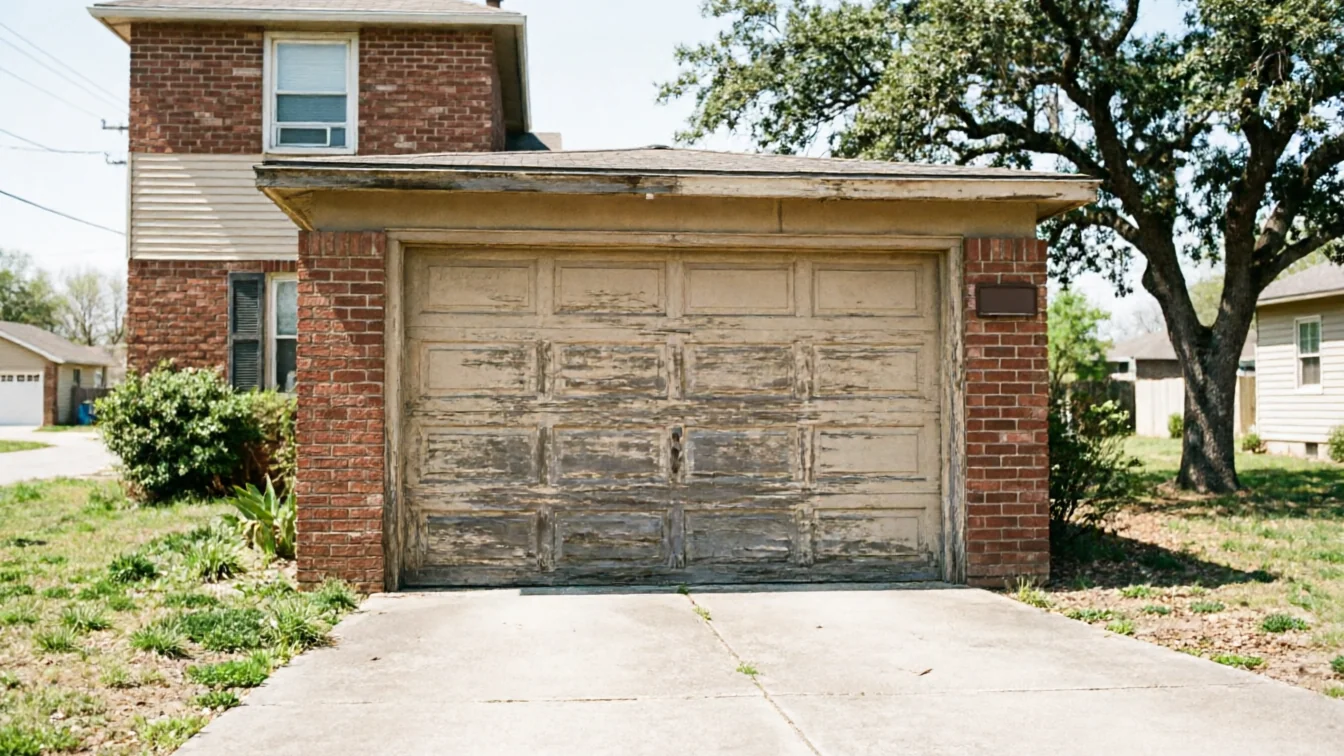
Broken Arrow houses mostly date from 1974 to 2005, median 1993.
Read more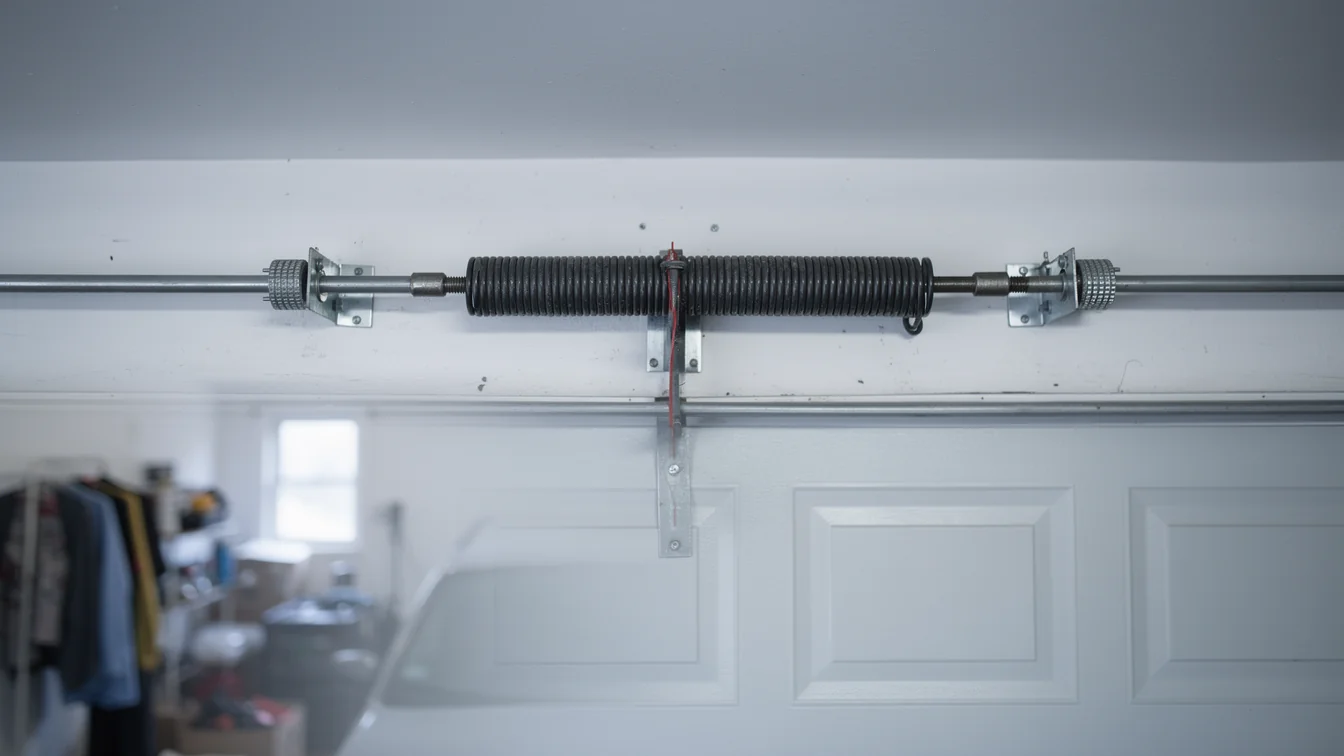
Why Broken Arrow's 1980s-90s housing stock and cold snaps combine to snap garage door springs, what the repair actually involves, and what to check before you call.
Read moreReady when you are
Broken Arrow Garage Door Pros repairs and installs garage doors, springs and openers in Broken Arrow, OK and the surrounding area.