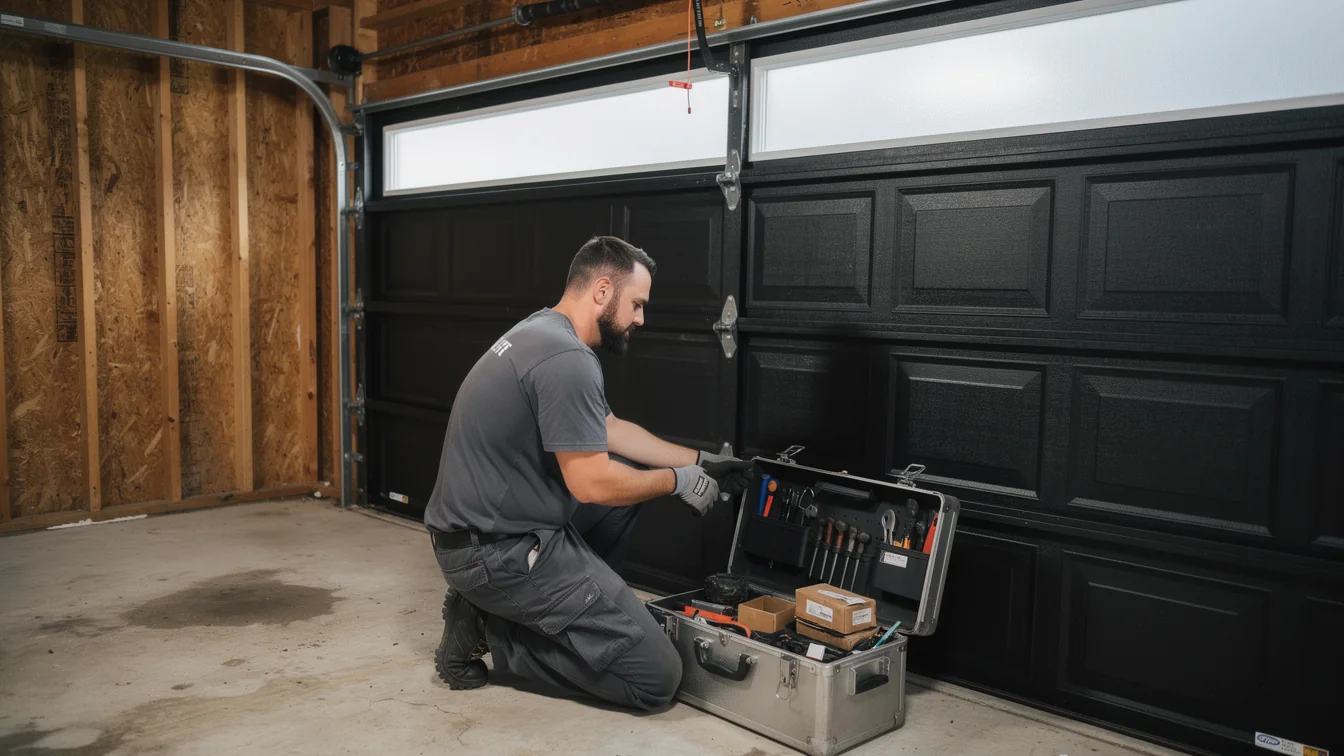
What We Actually Check on a Broken Arrow Service Call
A straight look at what a Broken Arrow garage door service call checks, tied to the 1974-2005 housing stock and cold-moderate winters common across the area's 14 neighborhoods.
Read moreBlogBroken Arrow, OK · 5 min read
Why Broken Arrow's 1980s-90s housing stock and cold snaps combine to snap garage door springs, what the repair actually involves, and what to check before you call.
Local detail
Broken Arrow sits in a cold-moderate climate band. We don't get the brutal sustained freezes you'd see further north, but we do get the sharp overnight temperature drops that catch a torsion spring already near the end of its life. Steel contracts as it cools, and a spring that's been flexing thousands of cycles a year for two or three decades has less give left in it. That's the moment it lets go - usually early morning, usually the coldest hour of the night.
This matters more here than in a lot of places because of what's actually on people's houses. Most of the homes in this area were built between 1974 and 2005, with the heaviest concentration going up around 1993. Across the 14 named areas we cover, that means mostly 1980s and 90s construction - a generation of doors that standardized on torsion springs mounted on a shaft over the opening, replacing the older side-mounted extension setups. Those springs were sized for the doors of that era, which are often heavier than what gets installed new today. A thirty-year-old spring on a heavy original door, hit by an overnight cold snap, is a predictable failure, not a mysterious one.
The area
We don't have a price list to quote here, so we won't invent one. What we can tell you is what drives the cost up or down, because it's tied directly to what's actually on your house.
A single torsion spring replacement on a standard door is a different job than a double spring setup on a heavier two-car door, and houses built in the 1980s and 90s around here often have the heavier doors - thicker panels, more steel, more wind-load bracing than what you'd see on a lighter modern door. If your springs were sized for that original heavier door, matching them correctly costs more than a generic off-the-shelf pair.
Median household income across this service area runs around $73,800, which is relevant mainly in one way: most homeowners here are weighing a spring repair against the option of waiting and doing a fuller opener or door upgrade at the same time. That's a reasonable call to make, but it's yours to make with real numbers in front of you, not ours to guess at in an article.
What we find
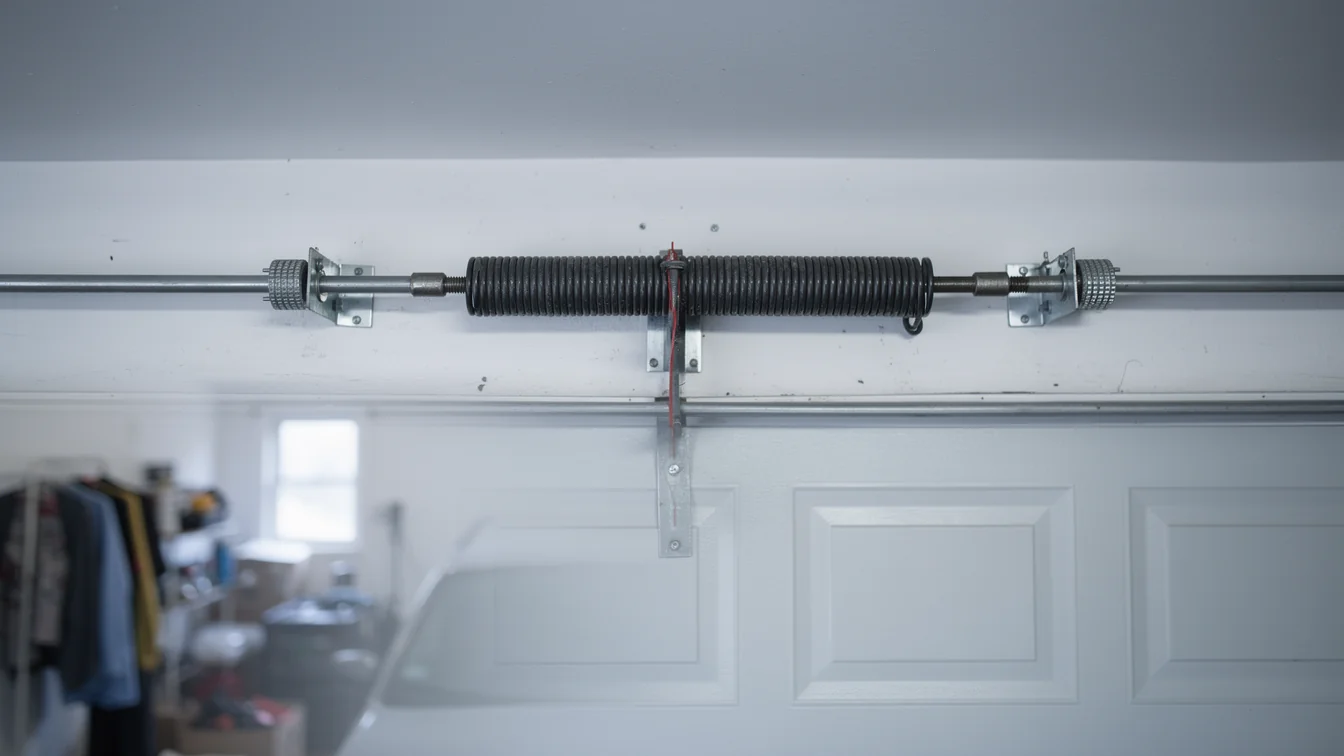
A torsion spring stores energy by twisting. Every time the door goes up or down, the spring winds and unwinds a little, and over years that cycling work-hardens the steel until it's brittle instead of springy. Cold makes brittle steel worse - the metal loses a bit of flexibility right when a hard overnight drop puts extra load on it, and that combination is what turns a tired spring into a broken one, often with a bang loud enough to wake the house.
Given that most of the stock around Broken Arrow dates to the 1974-2005 window, with the median build year around 1993, a large share of the original torsion springs on these houses are old enough that they were never going to last much longer anyway. Cold weather doesn't cause the failure so much as it picks the night. If your spring is original to a house built in that window, it's not really a question of if, it's when - and a cold snap just moves the date up.
One honest limitation: we can't tell you from a phone call whether your spring is original or already replaced. That needs eyes on the shaft and the winding cones.
How we work
Before you call anyone, look at the spring itself - it's the tightly wound coil above the door, usually painted black, mounted on a horizontal shaft. If it's visibly separated, with a gap in the coil, that spring is done and the door should not be opened by hand or by the opener until it's replaced. Don't try to operate the door on a broken spring even once; the cables and drums take the extra strain and can fail next.
Check the age of your house against that 1974-2005 window. If you're in one of the older sections built closer to the mid-80s or earlier, and you don't know of a prior spring replacement, treat the spring as original and aging. If you're out toward Coweta or Leonard, Bixby, or any of the other towns within eight to twenty miles, the same housing-era logic applies - the stock out that way went up on a similar timeline.
Last thing: listen for noise changes over a few weeks before a cold snap. A spring that's about to go often gets louder or rougher sounding first. That's your warning window, and it's worth acting on before the temperature drops rather than after.
Questions
Cold makes steel more brittle, and a spring that's already fatigued from years of winding and unwinding has less flexibility to absorb that extra stiffness. The spring doesn't fail because of the cold alone - it fails because the cold adds stress right when the metal is weakest. Older springs on older doors are the ones most likely to go on a cold night.
Most housing in this service area was built between 1974 and 2005, with the median year around 1993, so a lot of original torsion spring setups are now thirty to forty years old. That's well past the point where failure becomes likely, especially once a hard overnight temperature drop adds stress to already-fatigued steel.
We'd rather not tell you to, and we won't walk you through it here. Torsion springs are under heavy tension and have caused serious injuries to people without the right bars and clamps. If the spring is broken, the safest move is to leave the door closed and call for someone who does this regularly.
That depends on the age and condition of the second spring, which isn't something we can judge without seeing it. Many jobs on doors from the 1980s-90s stock end up replacing both since they're usually close in age and wear evenly, but that's a call made at the house, not in general.
Recommendation
More garage door guides for Broken Arrow homeowners.
A straight look at what a Broken Arrow garage door service call checks, tied to the 1974-2005 housing stock and cold-moderate winters common across the area's 14 neighborhoods.
Read more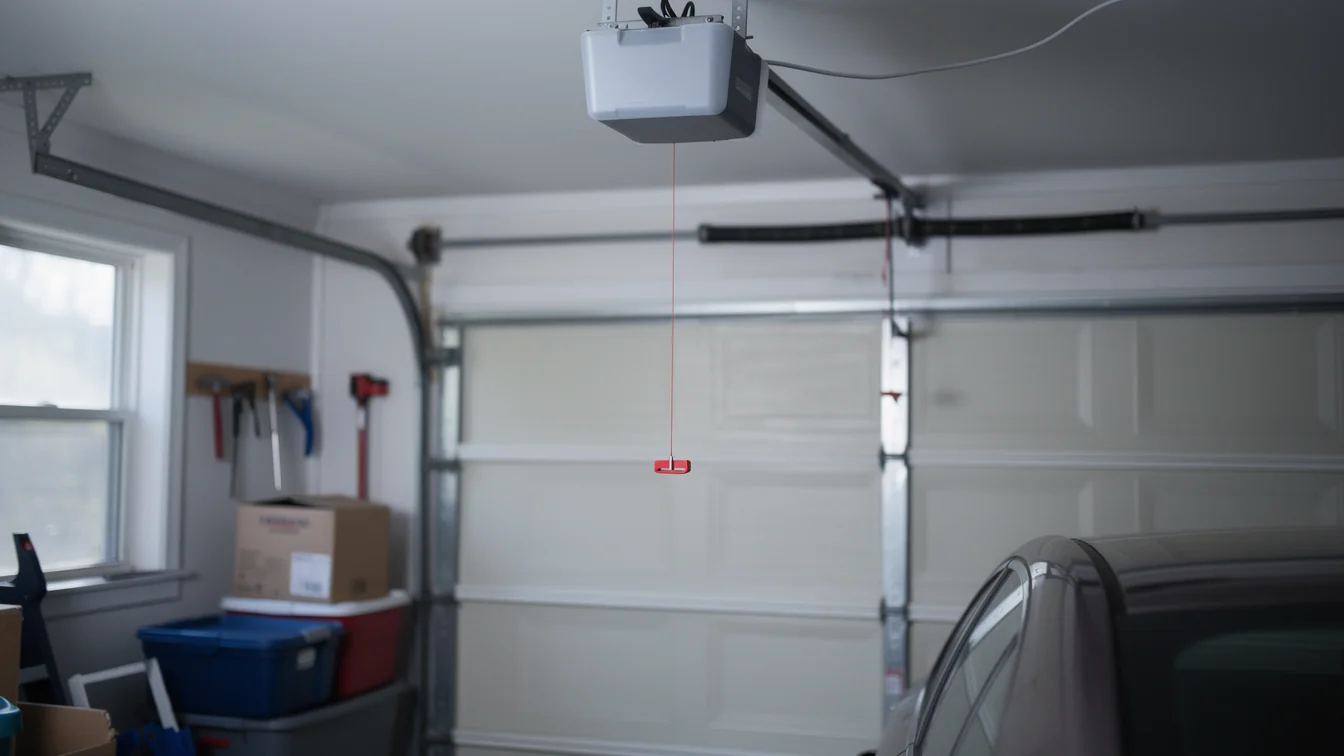
Broken Arrow's 1980s-90s opener stock wasn't built for winter power cuts.
Read more
Most Broken Arrow houses went up between 1974 and 2005, years before today's tighter insulation standards - here's what that means for your garage door in a cold winter.
Read moreReady when you are
Broken Arrow Garage Door Pros repairs and installs garage doors, springs and openers in Broken Arrow, OK and the surrounding area.